The GEVES in Brion has opened its doors to professionals in the vegetable sector
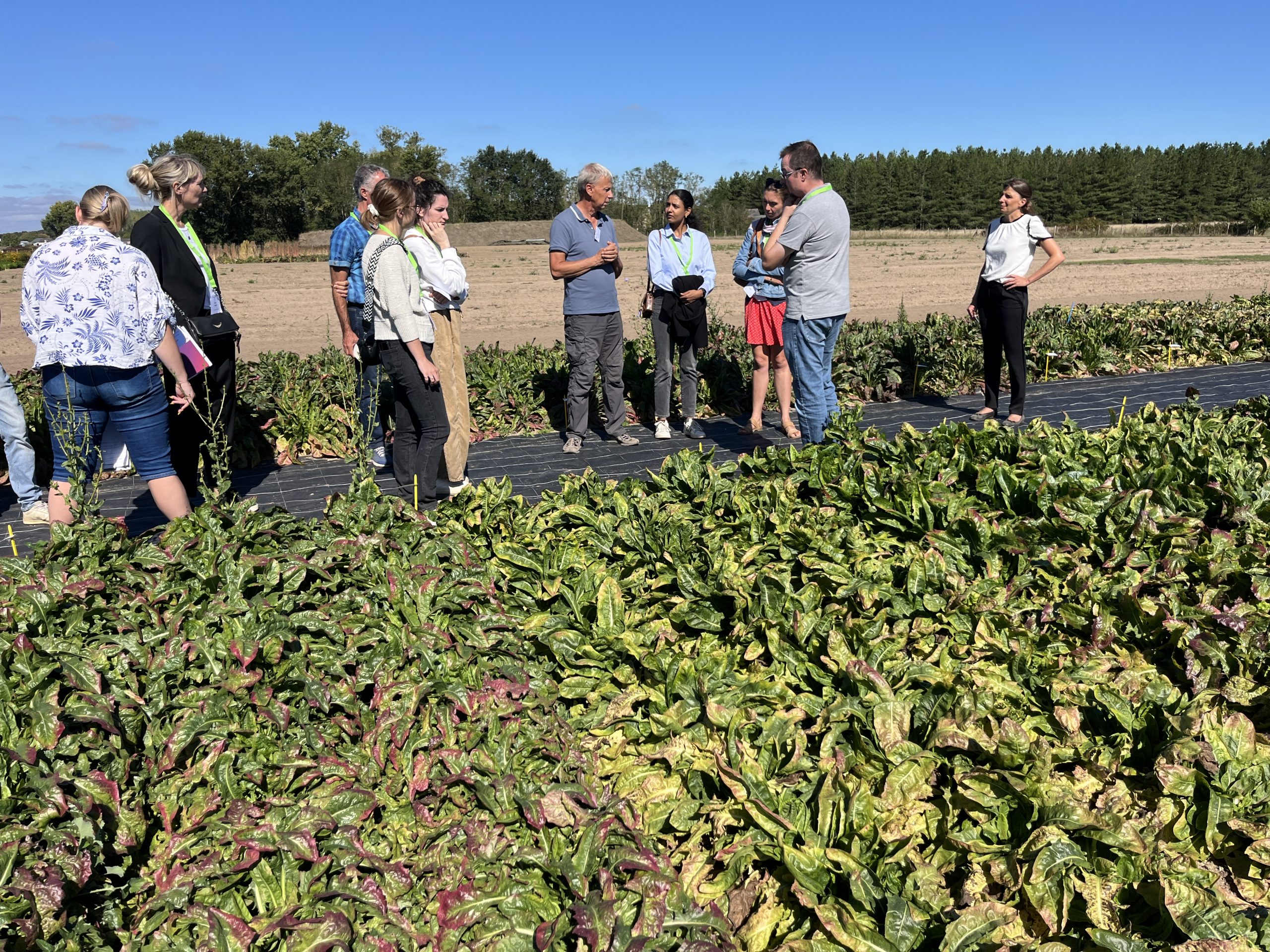
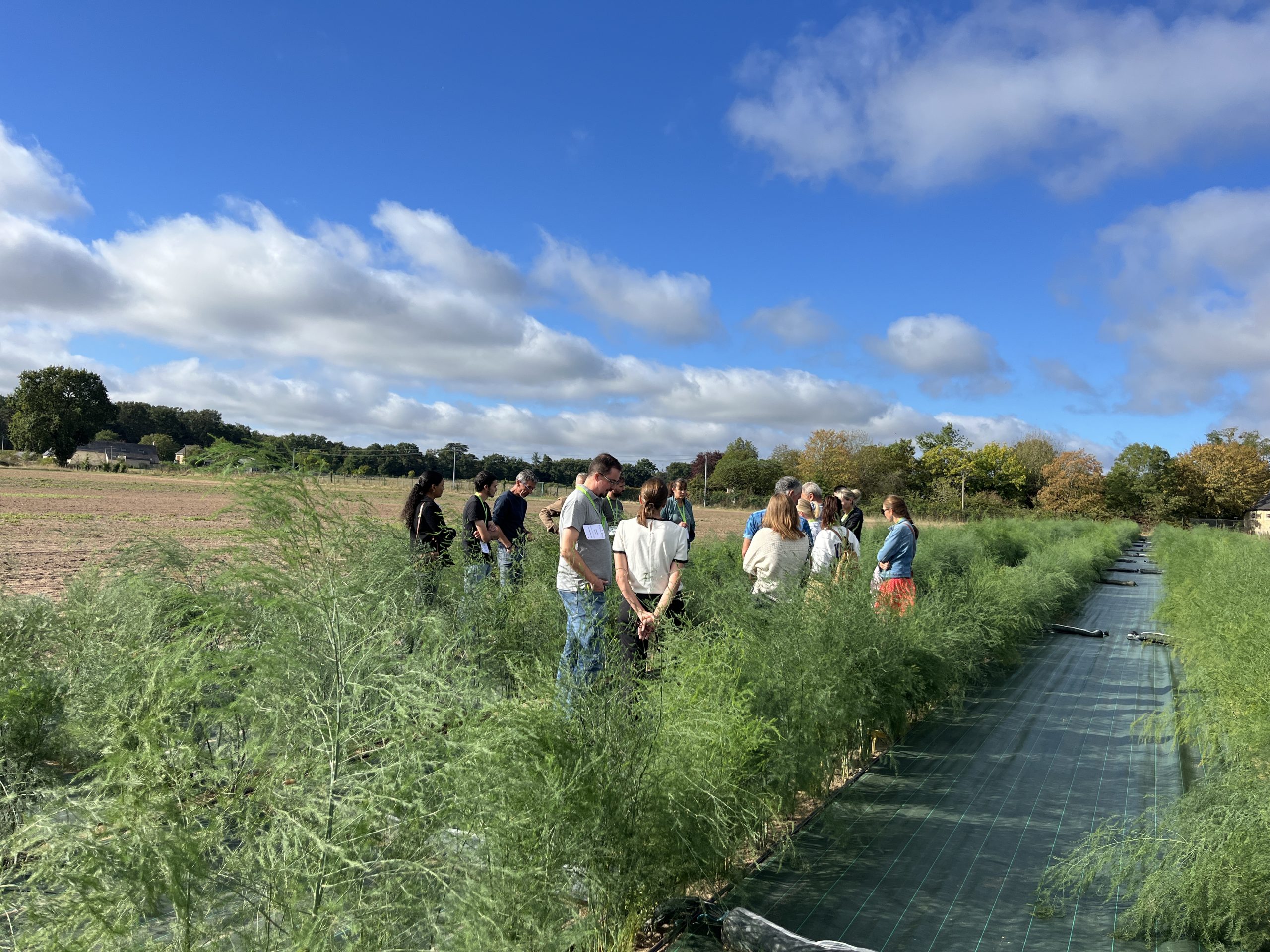
On 3 and 4 September, GEVES in Brion, which specialises in the expertise and evaluation of vegetable and ornamental varieties, took part in the POPA (Portes Ouvertes des Potagères en Anjou) open days, organised in partnership with Végépolys Valley.
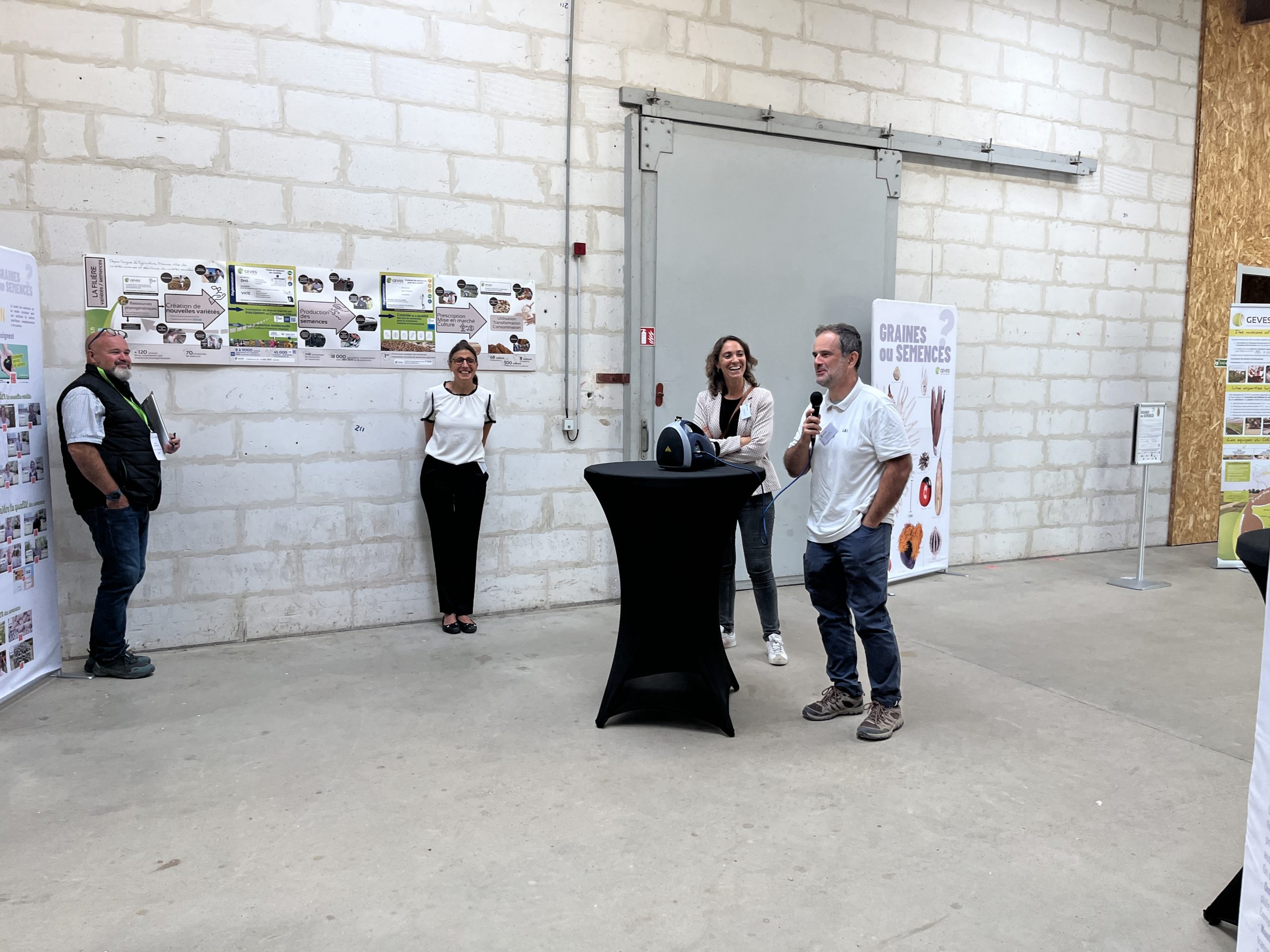
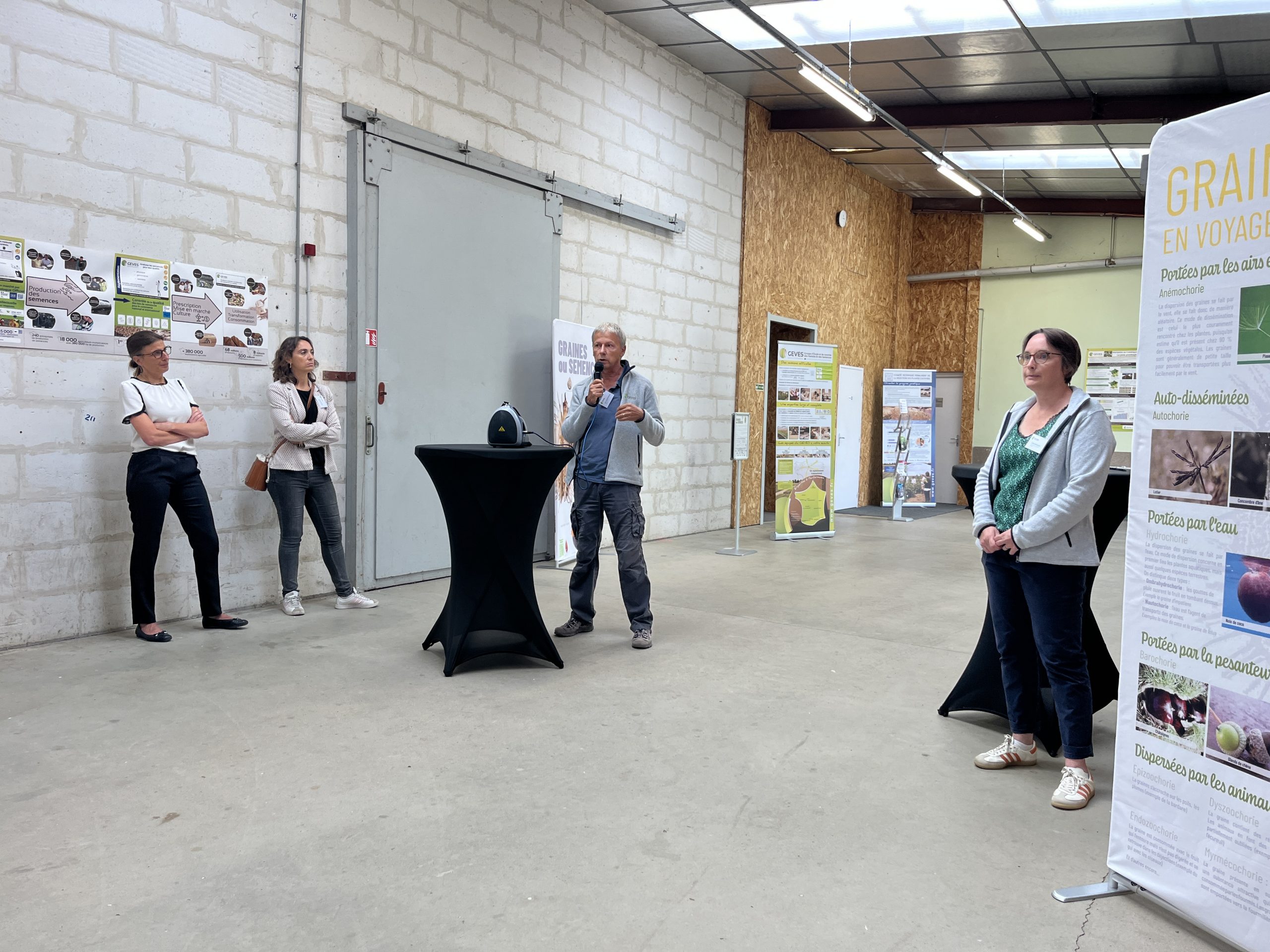
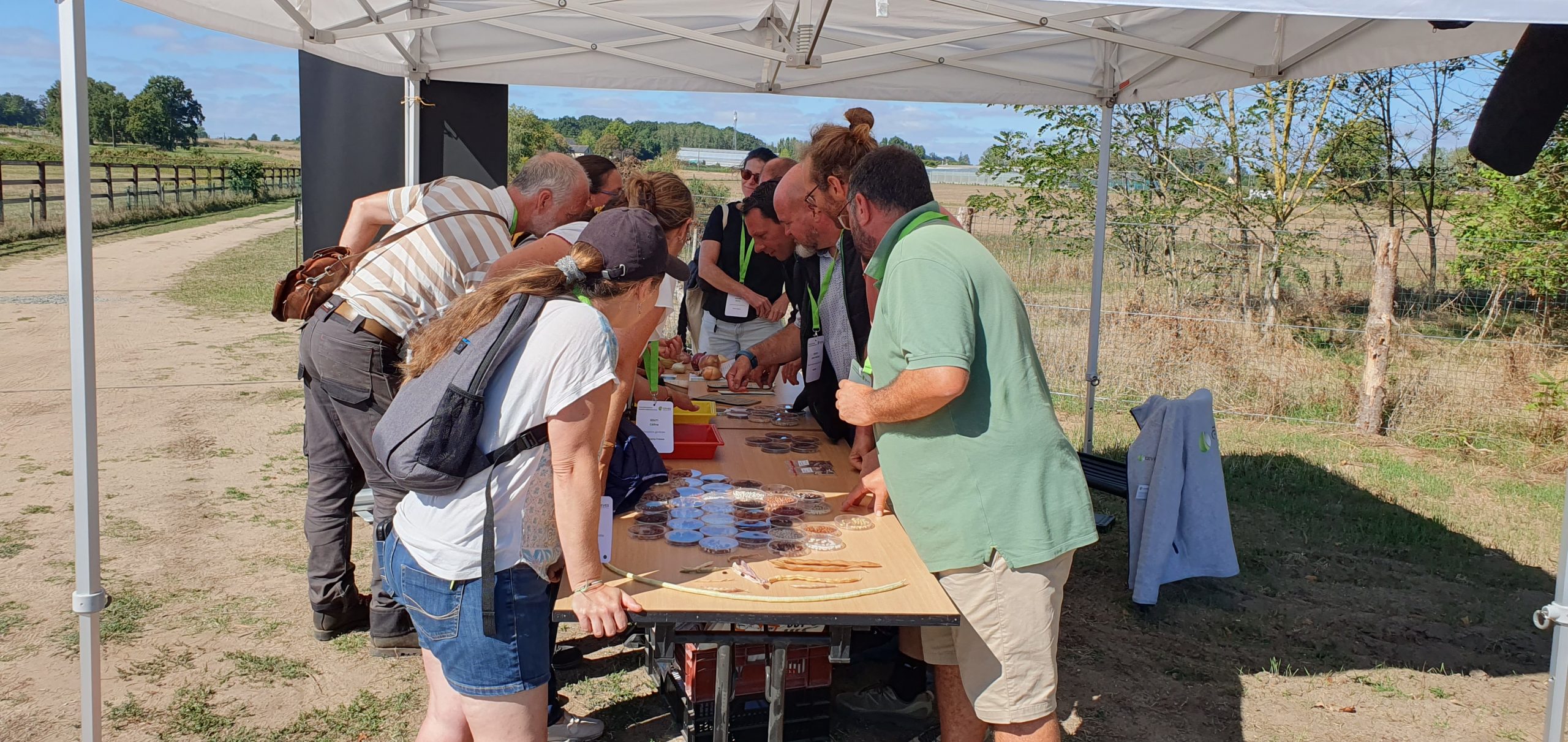
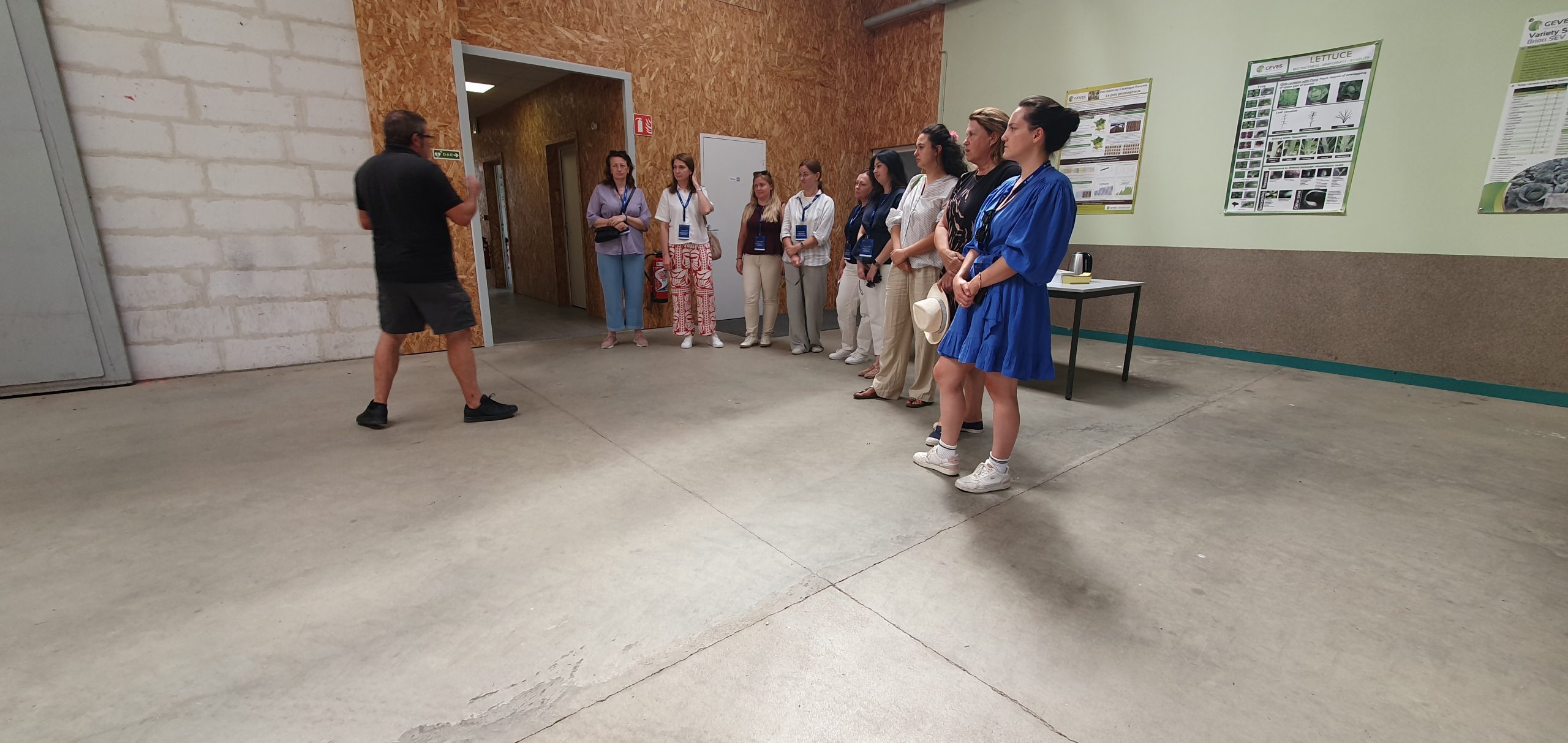
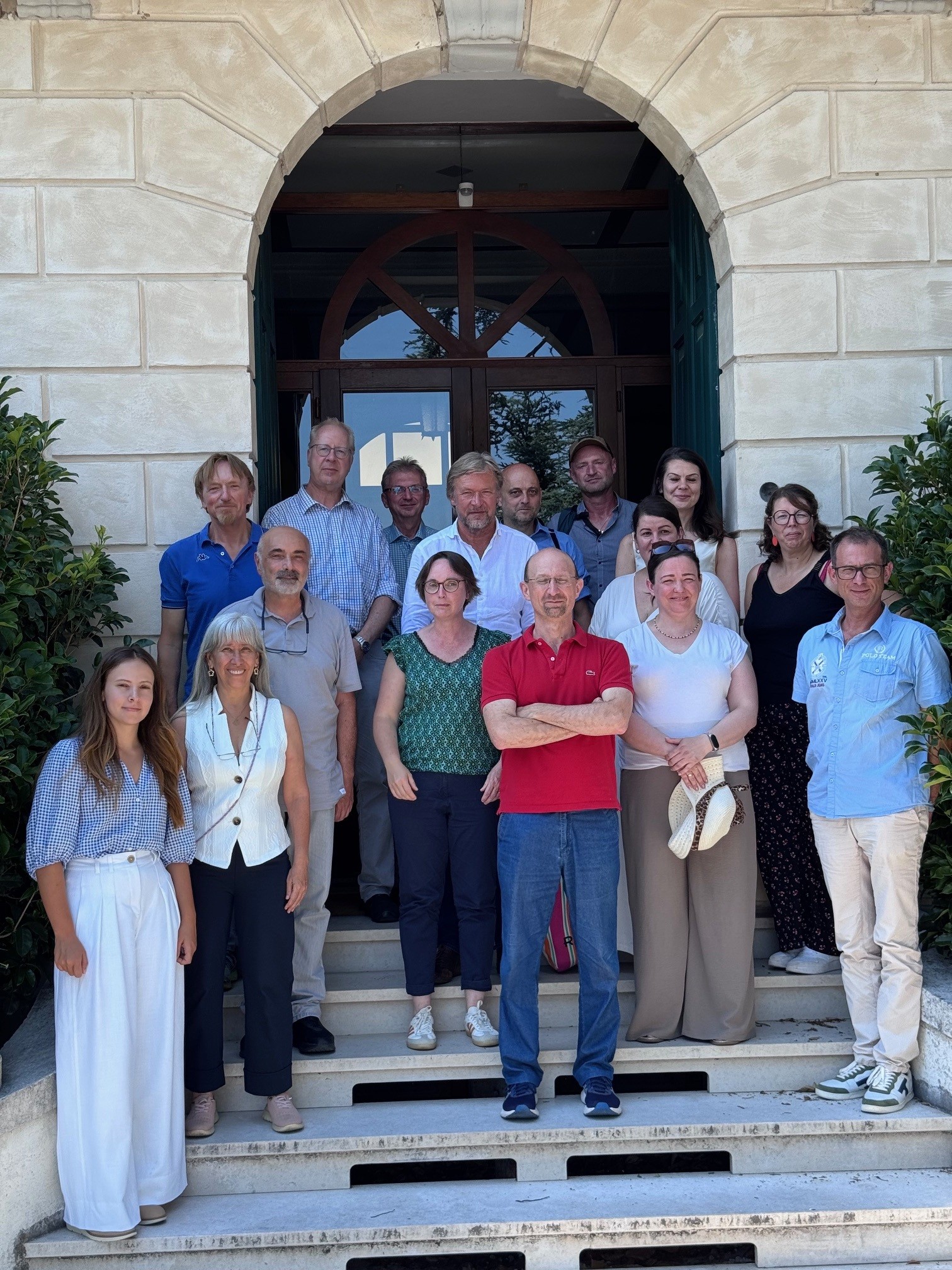
On the sidelines of this event, the following day, GEVES opened its doors to numerous trade visitors from the vegetable seed sector, who were able to discover the station’s activities and remit through a guided tour led by GEVES experts. Following an introduction to the missions and roles of GEVES and the CTPS – and more specifically the CTPS’s vegetable section – participants were able to explore the various aspects of varietal expertise in support of the vegetable sectors.
Projects at the heart of plant innovation and the challenges of tomorrow
Visitors discovered:
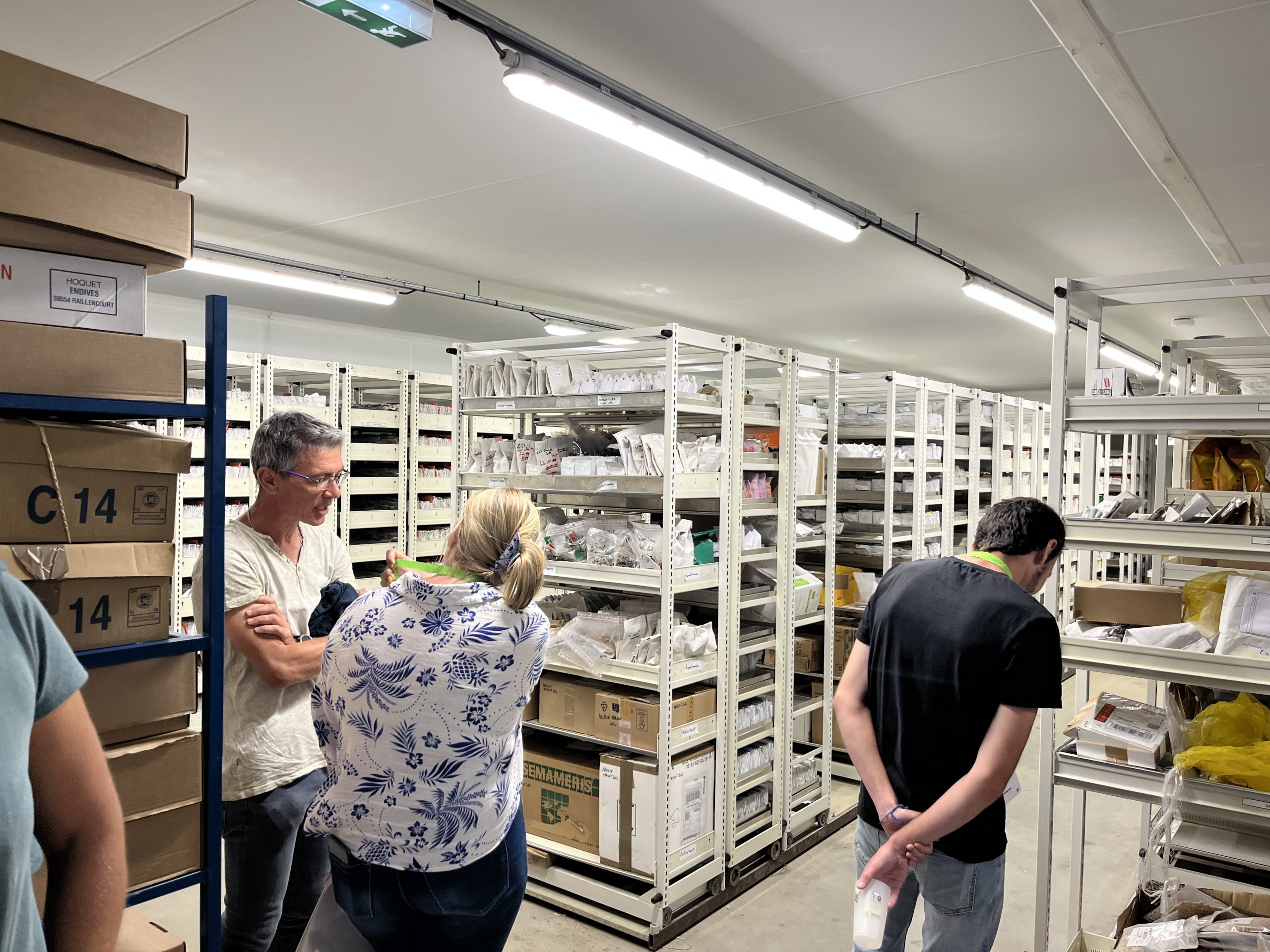
- the management and conservation of reference collections enabling new varieties to be compared with those already known;
- the development and use of molecular markers for the management of large collections of reference varieties and the search for resistance genes;
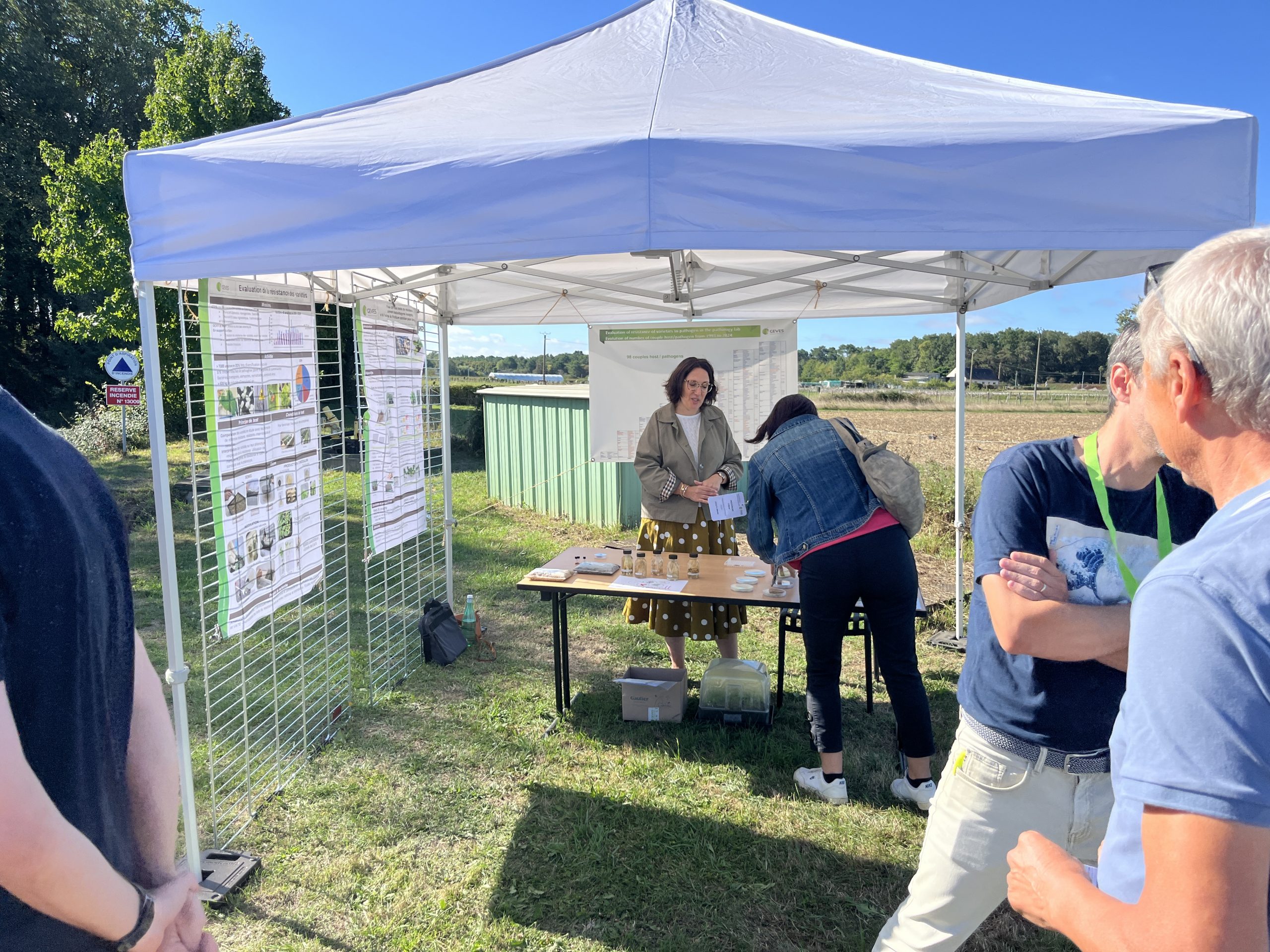
- tests to evaluate the resistance of varieties to diseases (viruses, bacteria, fungi, nematodes) under controlled conditions;
- GEVES’s initiatives to promote the conservation of plant genetic resources, particularly for so-called ‘orphan’ species such as onions, lentils and beans;
- the conduct of field trials (Distinction, Uniformity, Stability – DUS) for varieties of various vegetable species, with a view, in particular, to their registration in one of the lists of the Official French Catalogue (List A, C or D), each tailored to the needs of the target users;
the contributions of some 200 DUS experts appointed by the CTPS to validate the conclusions of the DUS trials conducted at the GEVES stations in Brion, Cavaillon and Le Magneraud;
the importance of research and development projects aimed at creating new methods for evaluating varieties, in particular to address the challenges of climate change and the agroecological transition for both conventional and organic agriculture.
For vegetable varieties, the station provides the following each year:
- The conduct of DUS (Distinctness – Uniformity – Stability) tests aimed at validating applications for registration in the Official Catalogue (= authorisation for placing on the market) and/or applications for the grant of a PVR (Plant Variety Rights = intellectual property right) for vegetable varieties, studies carried out solely for applications for the grant of a PVR amount to nearly a hundred new varieties per year. To carry out these assessments, the GEVES Brion station draws on a reference collection of over 20,000 seed lots covering around thirty species.
- Maintenance testing to verify the stability of registered vegetable varieties and thus ensure their re-registration in the Catalogue 10 years after initial registration and every 5 years thereafter; 200 to 250 varieties per year are evaluated in Brion, representing 40% of the varieties evaluated by the Vegetable Division, which also includes the Cavaillon and Magneraud sites
- Varietal and/or phytosanitary inspections for the SOC / DQCO, as part of official certification or authorisation to produce seed, on batches of vegetable seed sampled from seed establishments, on batches of protein crop seed (peas, field beans and lupins) and, finally, on shallot bulbs
- Responsibilities for managing the Official Catalogue of vegetable varieties (2,900 varieties) and protein crop varieties (180 varieties), with 200–250 new vegetable varieties studied each year and around 40 new protein crop varieties
An essential tool for the sectors
The Official Catalogue of Varieties is a key tool for supporting plant variety innovation and the genetic heritage of vegetable crops, and for addressing the challenges of crop production, quality and sustainability. It ensures that the varieties placed on the market are:
- original for new varieties, or consistent with the literature and/or expert opinions for older varieties;
- consistent with the reported genetic resistance (60 crop × disease combinations tested at GEVES or INRAE) for new varieties;
- stable over time;
In a few figures, the French Vegetable Catalogue represents:
- 40 species whose varieties must be registered for the professional market
- 2,900 registered varieties, with 4 species accounting for 50% of the French Catalogue (tomato, lettuce, melon and bean)
- 200–250 varieties per year for which registration applications are submitted, assessed at three GEVES stations by around twenty GEVES experts
- 50% of the varieties are less than 10 years old
- Among the 50% that are over 10 years old, many are varieties used by gardeners and market gardeners, particularly those in the “green belt”
- 4 lists making up the Official French Catalogue of Vegetable Varieties: a, b, c and d
- 120 seed producers maintaining varieties in the Catalogue
- The French Catalogue accounts for 13 per cent of the EU Catalogue of Vegetable Varieties