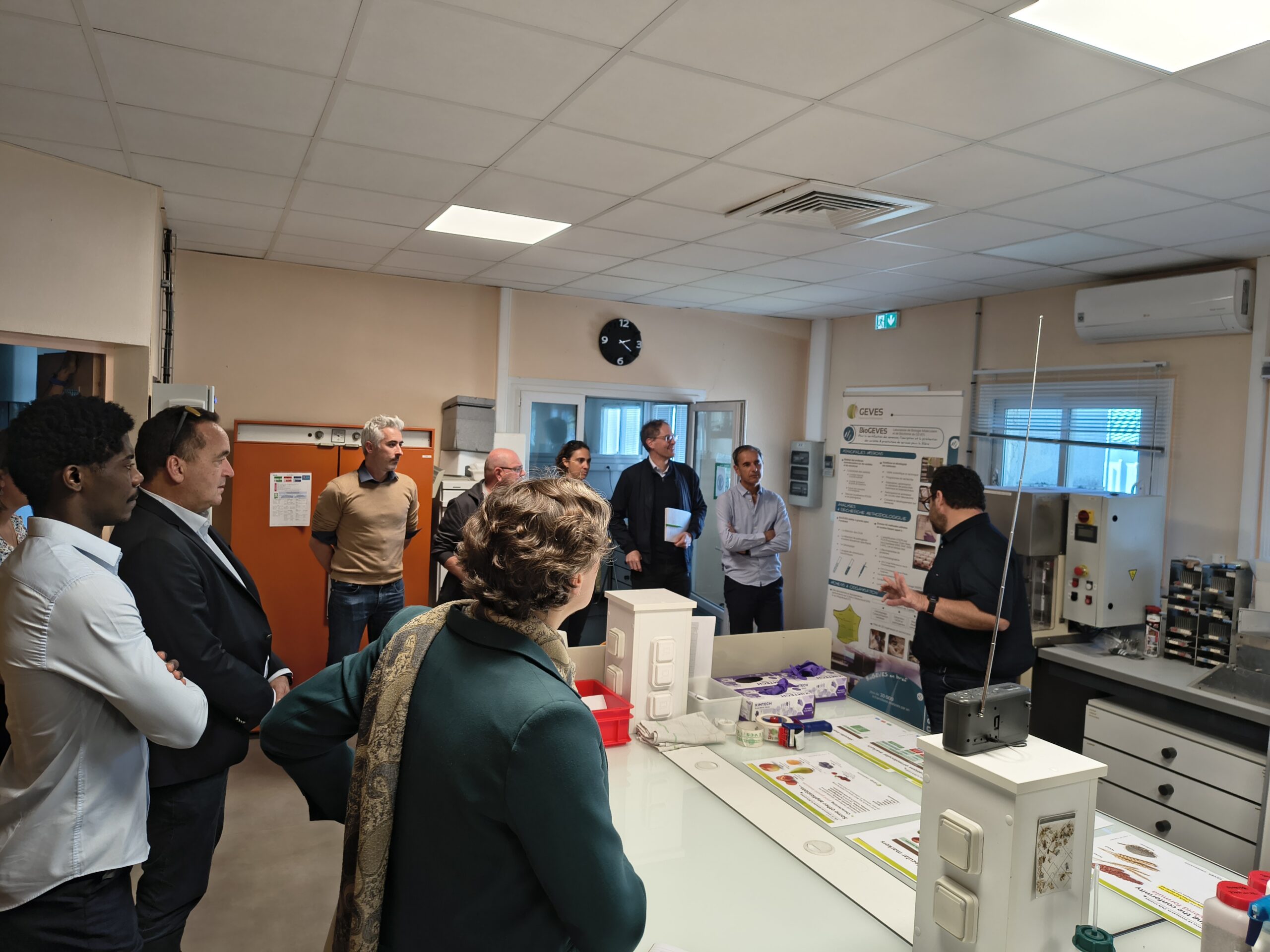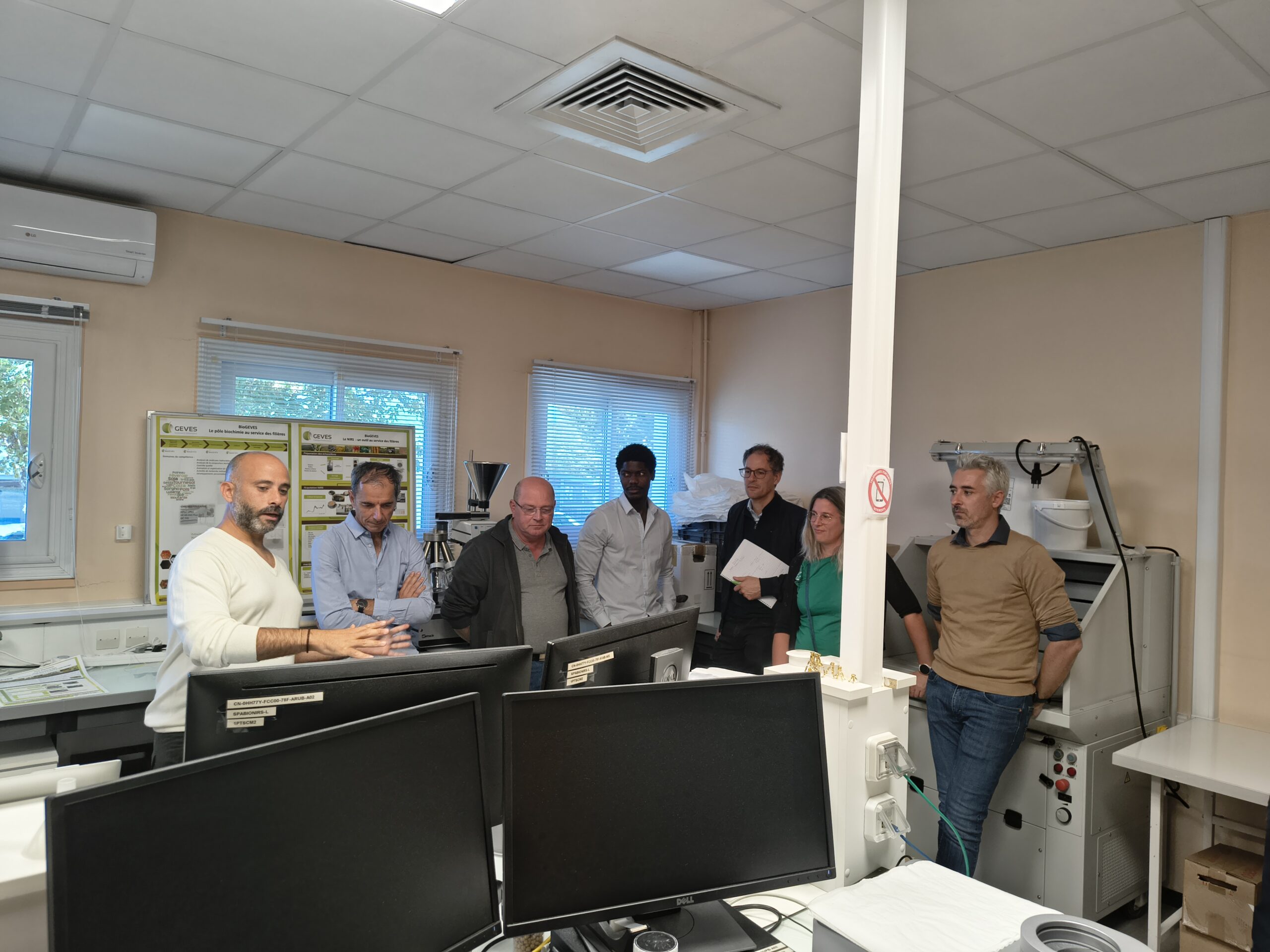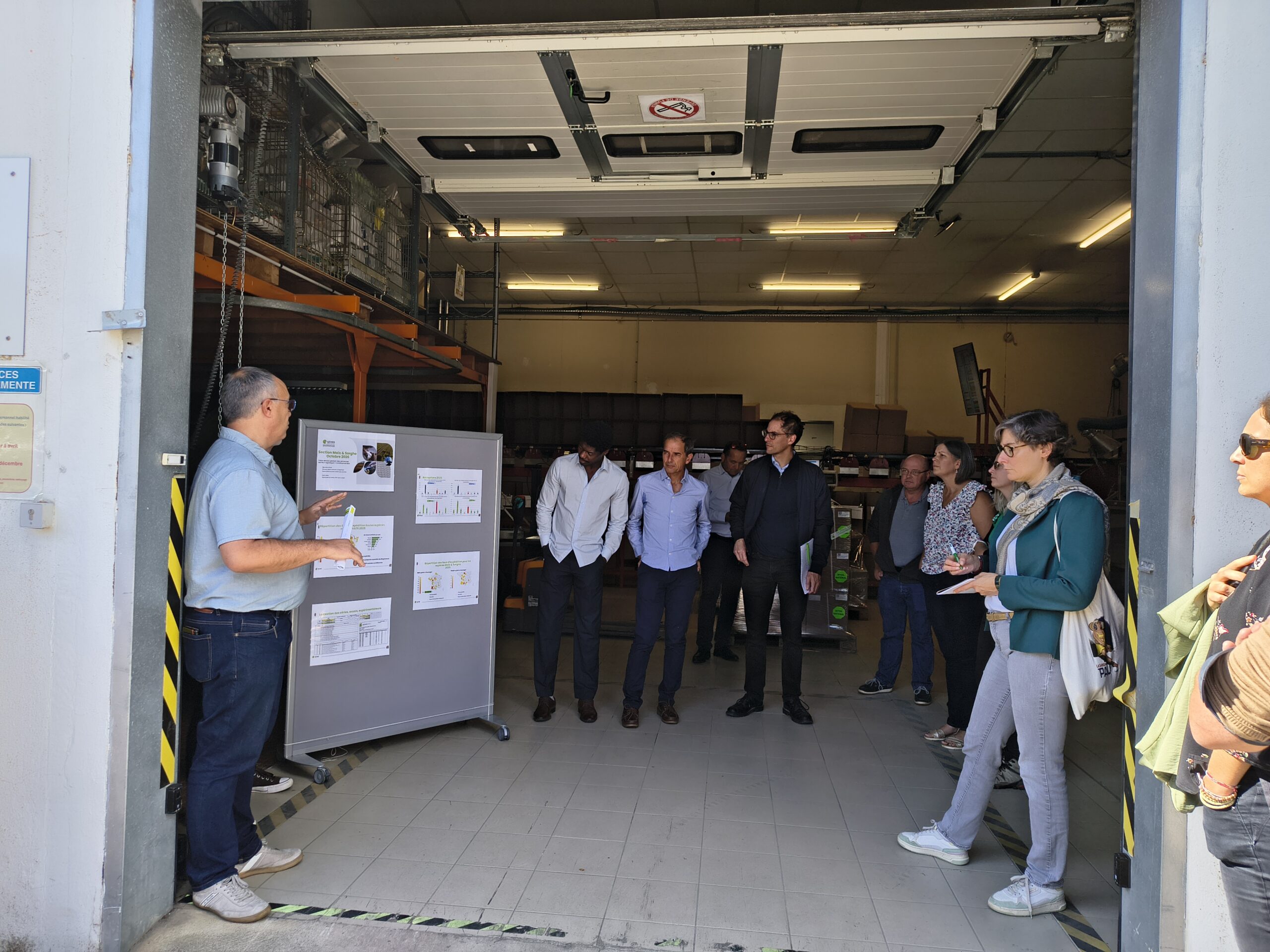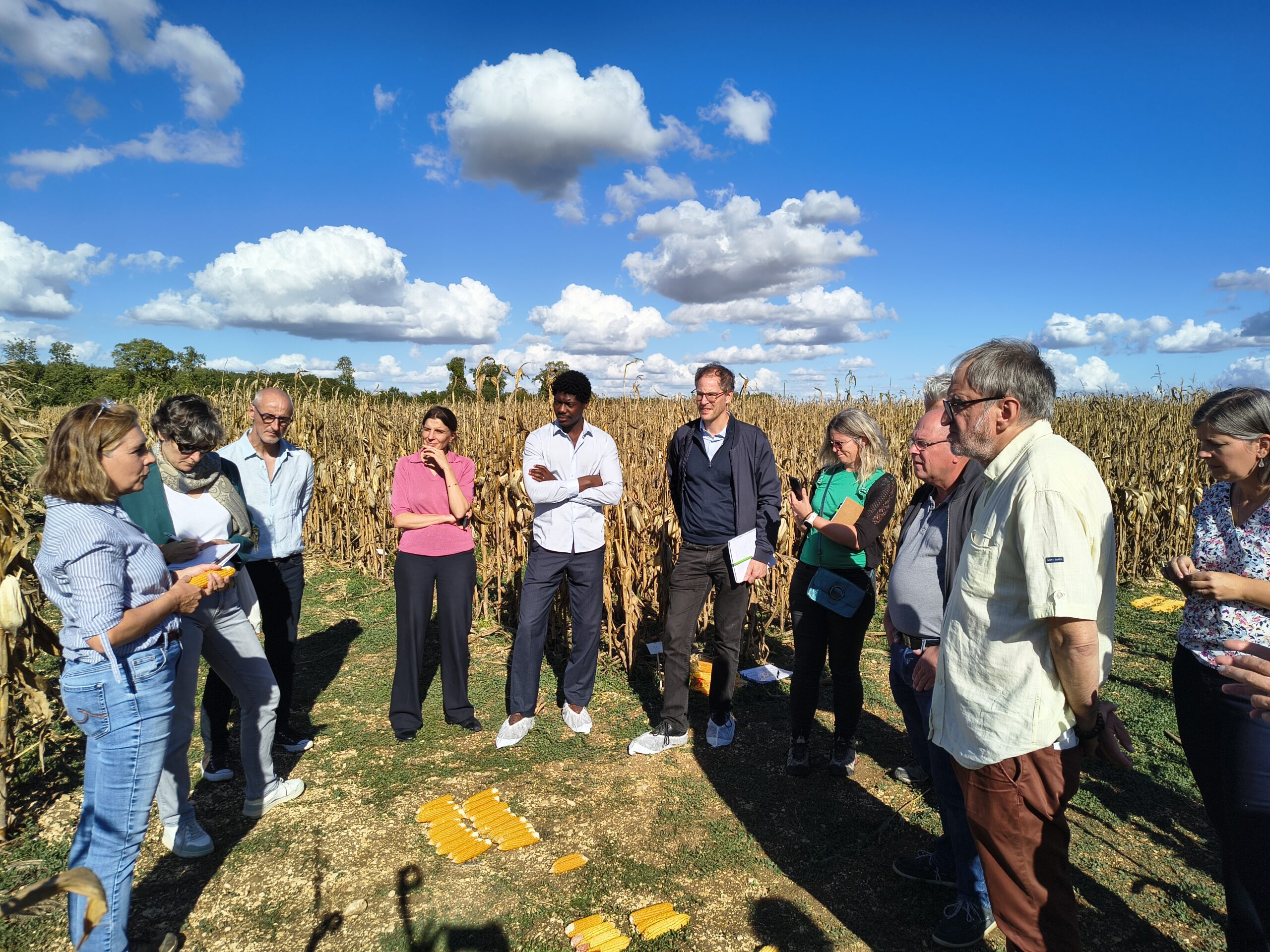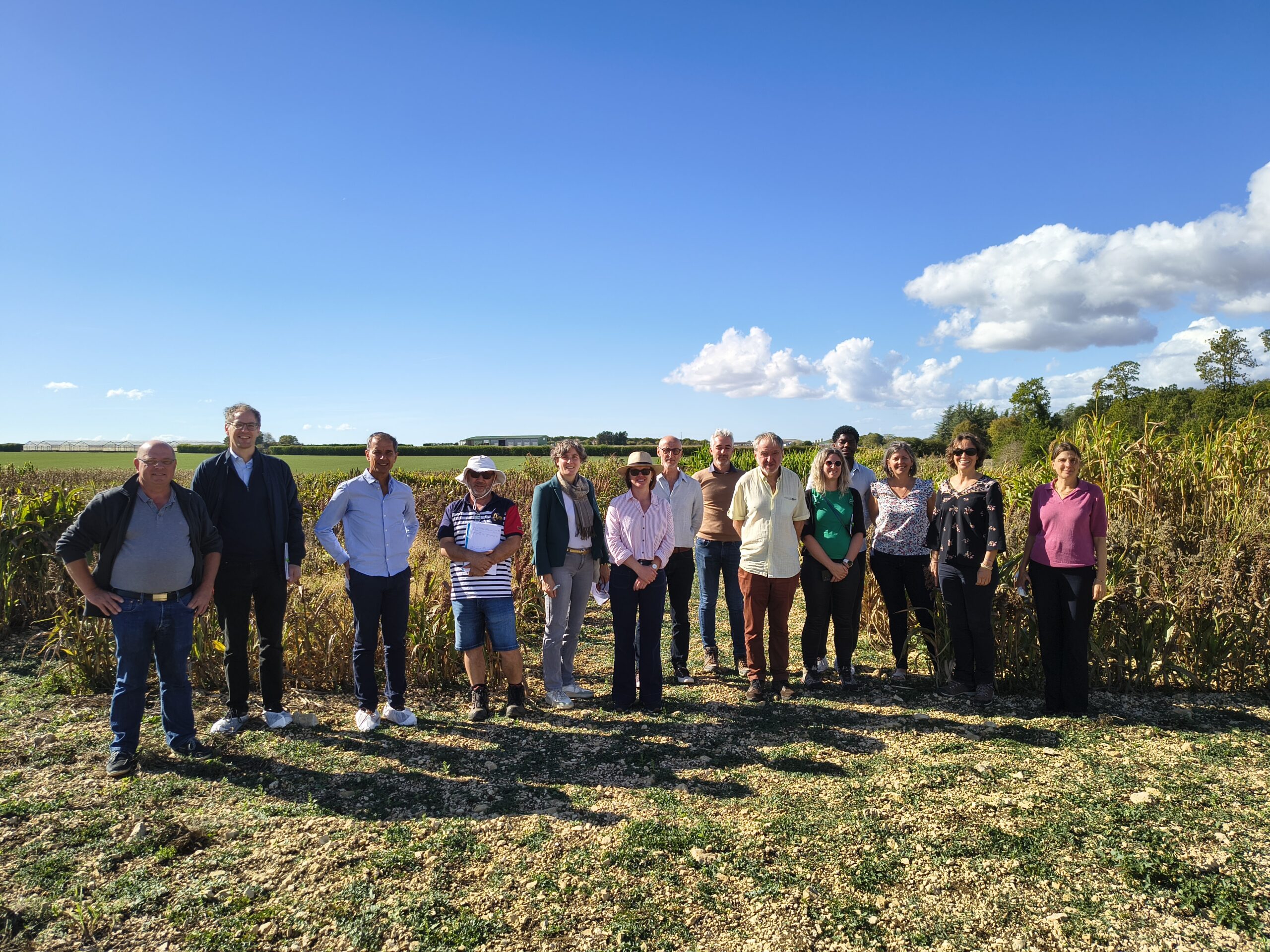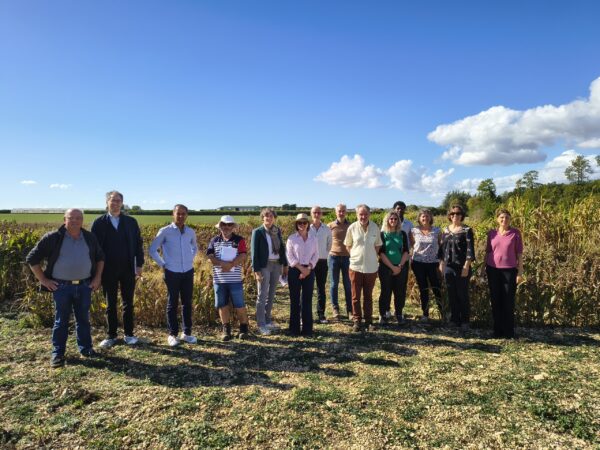
The CTPS maize and sorghum immersion section at the GEVES site in Magneraud
Maritime) on 1 October for its annual autumn meeting.
The agenda for the Section meeting focused on:
- a review of the 2026 maize and sorghum growing season,
- the work of the expert groups,
- and regulatory updates.
The afternoon was devoted to a presentation of the activities carried out by GEVES, highlighting the work undertaken to evaluate maize and sorghum varieties. Members of the Section were thus able to learn about:
- the biochemistry (use of NIRS to assess the starch type in maize grain) and genotyping (use to verify the breeding formula of maize and sorghum hybrids) activities carried out by the BioGEVES laboratory;
- seed management activities: receipt of samples, dispatch of kits for VSCU trials and the preservation of reference collections;
- activities carried out as part of the maize and sorghum DUS trials (variety description, assessment of uniformity and distinctness).
Organised for the first time in this format, this meeting attracted considerable interest and was unanimously welcomed by the Section members present.
The next meeting will be held on 19 January 2027 to examine, amongst other things, all the proposals from the Catalogue Commission with a view to approving proposals for the inclusion of new varieties in the Official French Catalogue.
- 2026 maize and sorghum growing season
The Section was informed of the number of applications received at the start of 2026, as well as the number of varieties assessed under the VSCU and DUS trials.
| Number of applications received | Maize | Sorghum |
List A | 130 | 14 |
List B | 33 | |
List C | 2 |
An ad-hoc committee has been set up to examine the two applications for the inclusion of maize on List C (conservation varieties traditionally grown in specific regions and at risk of genetic erosion). It will meet before the end of the year.
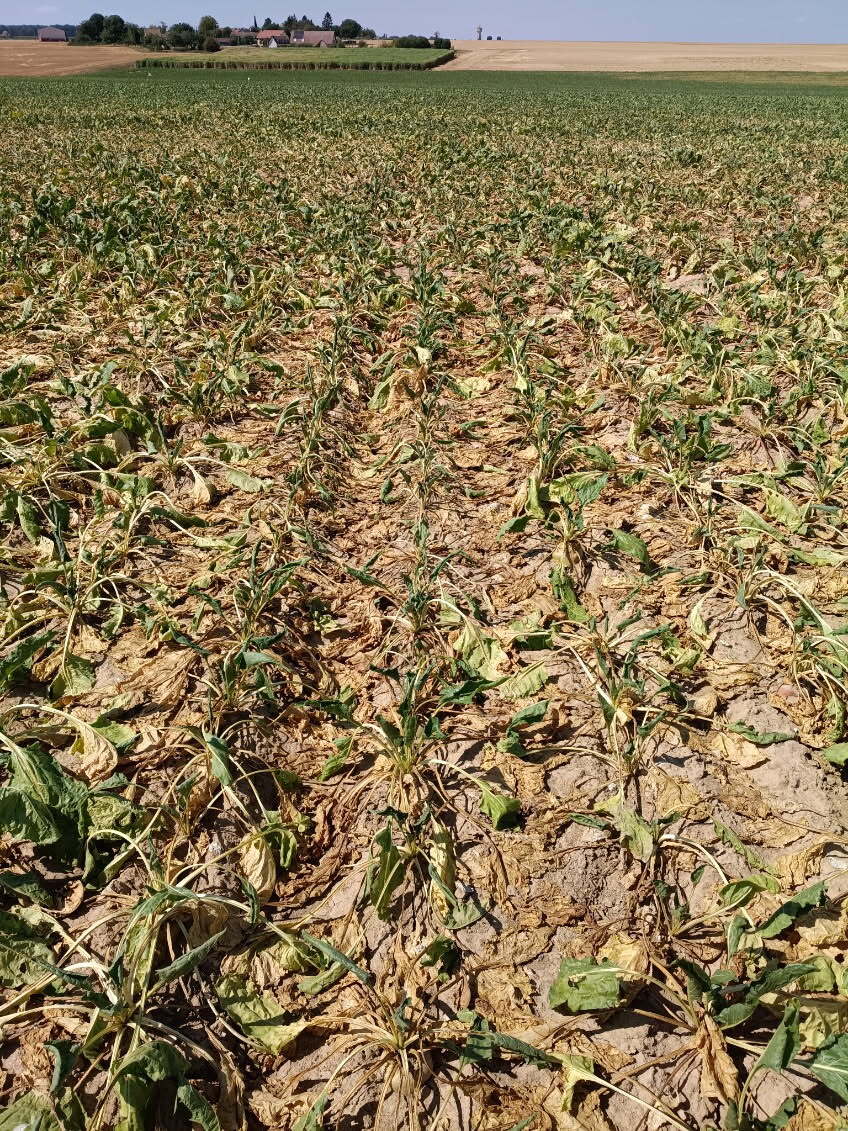
Arvalis has presented an overview of maize and sorghum growing conditions at national level. The year 2026 can be described as a season of extremes, proving particularly challenging for agricultural production. The exceptional weather conditions had severe consequences for maize and sorghum crops. According to AGRESTE’s estimates as at 1 September, for a grain maize area of 1.12 million hectares, the average yield is estimated at 70.6 q/ha. According to Arvalis figures, the conversion of 230,000 ha of maize initially intended for grain harvest to fodder use would reduce national production to around 7.3 Mt of grain maize, with an average yield of 99 q/ha on irrigated land compared with 48 q/ha on rain-fed land. Many plots originally intended for grain production were harvested for fodder from the beginning of July. The economic impact on the sector amounts to several billion euros.
Particularly intense and repeated water and heat stress has significantly affected plant physiology, notably pollen viability and silkworm emergence. These events underscore the importance of breeding efforts aimed at developing more resilient varieties, capable of maintaining their production potential under adverse conditions. New technologies offer further opportunities to expand the range of tools available to breeders and to support varietal innovation within the Official French Catalogue. The challenges also relate to water management and access to water, for which several measures will need to be implemented.
A provisional review of seed production was also presented. The number of maize seed doses produced is unlikely to reach 70% of the targets initially set for France. France has therefore recorded its lowest technical output, while other countries have achieved more satisfactory results. The outlook for the sector in 2027 remains to be clarified.
The Section was also briefed on the conditions under which trials are conducted by the national VSCU network and the DUS nurseries.
The national maize trial network comprises 168 trials, which are being used to evaluate 194 varieties in their first and second years of testing. In total, 18% of the trials were abandoned during the growing season, mainly due to damage to the seedlings caused by insects (geomyza and oscinia) and birds, reflecting the difficulties also faced by farmers this growing season.
The national sorghum trial network comprises 47 trials, designed to evaluate 19 varieties in their first and second years of testing. 17% of the trials were abandoned during the growing season, mainly due to significant irregularities in plant density caused by the particularly hot and dry conditions observed from mid-May onwards, in a context similar to that encountered in the production plots.
Trials for Distinction, Uniformity and Stability (DUS) assessments were also severely affected by the extreme weather conditions during the growing season. At the GEVES site in Magneraud, maximum temperatures exceeding 30 °C were recorded for more than five days during the second half of May, and then almost continuously between mid-June and September. In particular, a peak temperature of 42.3 °C was recorded on 23 June. Total rainfall did not exceed 62 mm between 1 May and 8 September, reflecting the exceptional intensity of the heatwave and drought.
- Update on the work of the VSCU and DUS expert groups
The Section has been informed of the main work currently underway within the VSCU maize expert group:
- Comparison of cultivation practices under rain-fed and irrigated conditions in the National Trial Network (RNE) and at the “Ferme France” trial site;
Positioning of RNE trials in relation to climatic conditions and growing regions:
- Implementation, from 2027, of a new experimental design based on a nested alpha-plan scheme.
The RNE’s objectives are to evaluate new varieties by comparison with control varieties and to conduct trials through to harvest, while limiting as far as possible those limiting factors that cannot be controlled from an experimental and statistical point of view. The yield gap between the RNE and the national average is confirmed, with a relatively constant absolute difference. This difference can be explained by the RNE’s specific objectives. However, this finding does not preclude adjustments to the geographical location and the methods used to conduct the trials to keep pace with changes in agricultural practices and the public policy challenges facing the sector. Since 2024, three trials conducted under rain-fed conditions have thus been added to the G4 series. The work carried out by the expert group is essential to the management of the RNE. The experts are therefore invited to continue their deliberations.
The Section was also informed of the progress of the TRIES and Maize Virus Project (MVP) initiatives.
- Regulatory news
The Ministry has informed the Advancement Section of the progress on the following four matters:
- NGT Regulation: adopted on 17 June 2026, published in the Official Journal on 26 June 2026 and came into force on 16 July 2026. Its provisions will apply from 17 July 2028.
- Intellectual property inquiry: work relating to patents arising from the application of the NGT Regulation is forthcoming. An inquiry has been launched by government departments.
- Draft PRM Regulation – main text: revision and translation work is currently underway. Publication of the text is planned for January 2027, with entry into force scheduled for January 2031.
- Draft PRM Regulation – secondary legislation: discussions and the drafting of the texts will begin in January 2027 and are due to be completed prior to their planned adoption in June 2029. The Sections’ positions are expected by the end of 2026 so that discussions can begin in early 2027.
As part of the inclusion of millet amongst regulated species, the Section has been informed that this species now comes under its remit.
- News from the CTPS Plenary Committee
The Section was informed of the discussions underway regarding the confidentiality of VSCU data. The background and rationale for this initiative were outlined. The CTPS Plenary Committee has set up an ad-hoc working group bringing together the various stakeholders to define a framework for the controlled dissemination of VSCU data during the evaluation phase of candidate varieties, in the form of guiding principles applicable to each Section. Following approval by the Plenary Committee, these principles are to be incorporated into the technical regulations for registration.
- Tour of the GEVES site at Le Magneraud
Located in Charente-Maritime, the Magneraud site is a strategic facility for GEVES’s operations. In particular, it houses the BioGEVES laboratory, two cold stores for seed storage, and a logistics chain dedicated to seed processing and packaging.
Thanks to its soil and climate conditions and its geographical location, the site is also an ideal location for variety evaluation. It hosts numerous VSCU and DUS trials, as well as variety inspections carried out on behalf of SEMAE’s Directorate for Quality and Official Control, on various species such as straw cereals, maize, sorghum, sunflower, rapeseed, soya, peas, groundnuts and vetch.