150 years of the Vassal vine collection: a living heritage looking to the future
On 7 October, nearly 150 participants gathered at the Institut Agro Montpellier to celebrate the 150th anniversary of the vine collection at the Vassal Biological Resource Centre (CRB) in Montpellier, a global leader in the conservation of vine genetic resources. Organised jointly by INRAE, Institut Agro Montpellier, the IFV and the Vine Breeding Partners Network, the event highlighted the vital role of these collections in preserving viticultural heritage, advancing knowledge and driving varietal innovation to meet the challenges of the future.
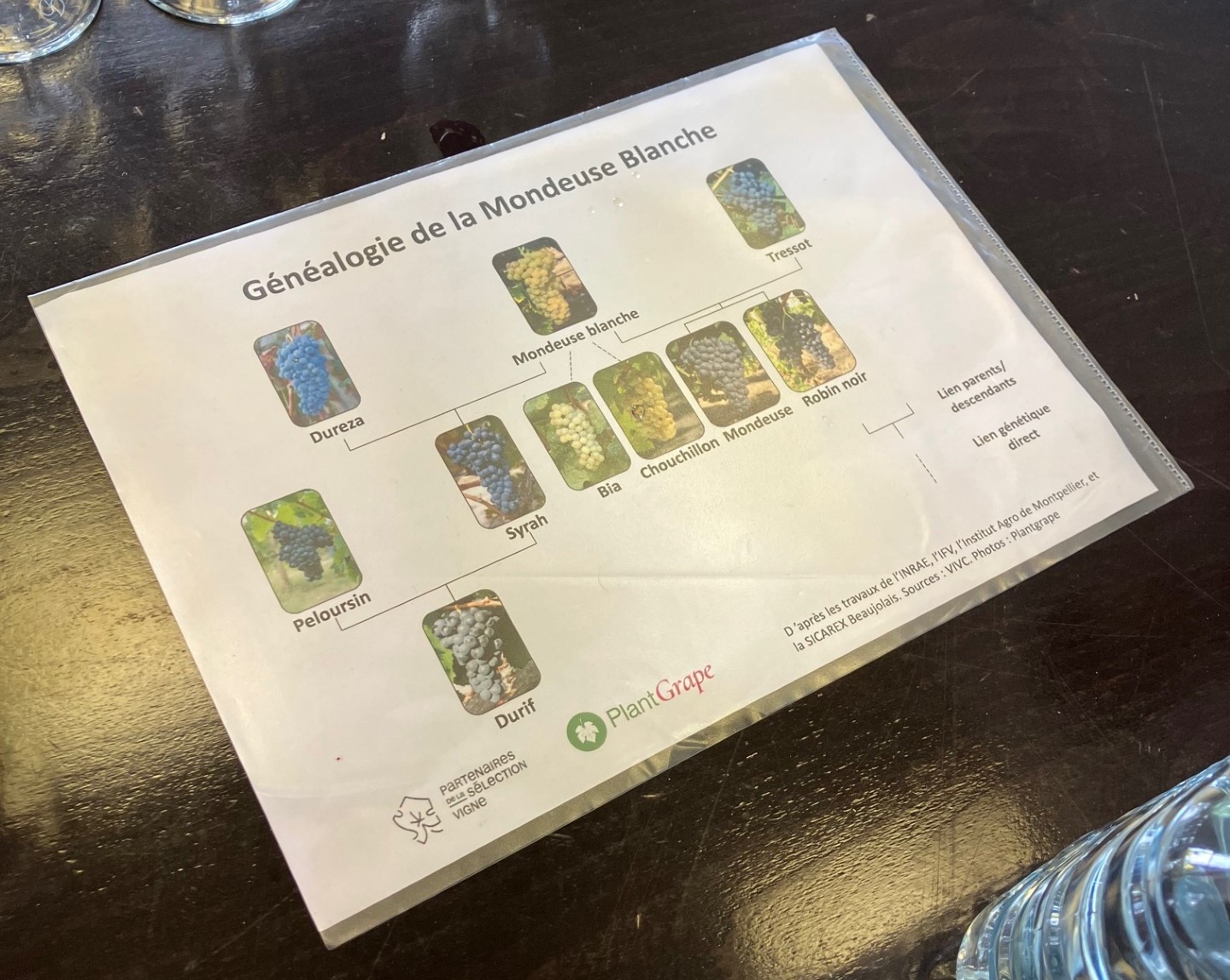
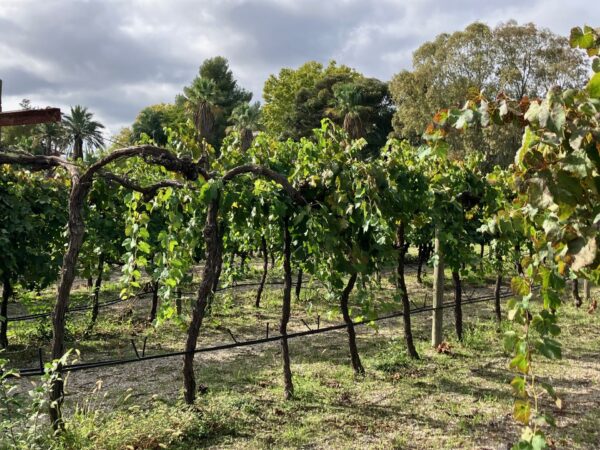
Far more than simply a repository of grape varieties, the Vassal CRB collection constitutes a true living heritage. For nearly a century and a half, it has been collecting, preserving, documenting and making available an exceptional genetic diversity of grapevines. Behind each accession there are not only plant resources, but also valuable information on their origin, history and agronomic, genetic and oenological characteristics, compiled through the work of generations of researchers, technicians and professionals in the sector.
During the morning, several presentations highlighted the importance of conserving cultivated diversity and the complementary roles played by the various stakeholders involved in this mission. The presentation on the French system for the conservation of plant genetic resources highlighted, in particular, the collective organisation that brings together collection managers, cooperation networks, biological resource centres, technical institutes, research organisations and stakeholders from the agricultural sectors around a common objective: to preserve, characterise and pass on cultivated biodiversity.
The discussions also highlighted that collections are much more than simply places for preservation. They serve as resources for research, training and the sharing of knowledge. They enable a better understanding of the history of grape varieties, inform scientific research, and also help to pass on this heritage to new generations and foster exchanges between stakeholders in the wine sector.
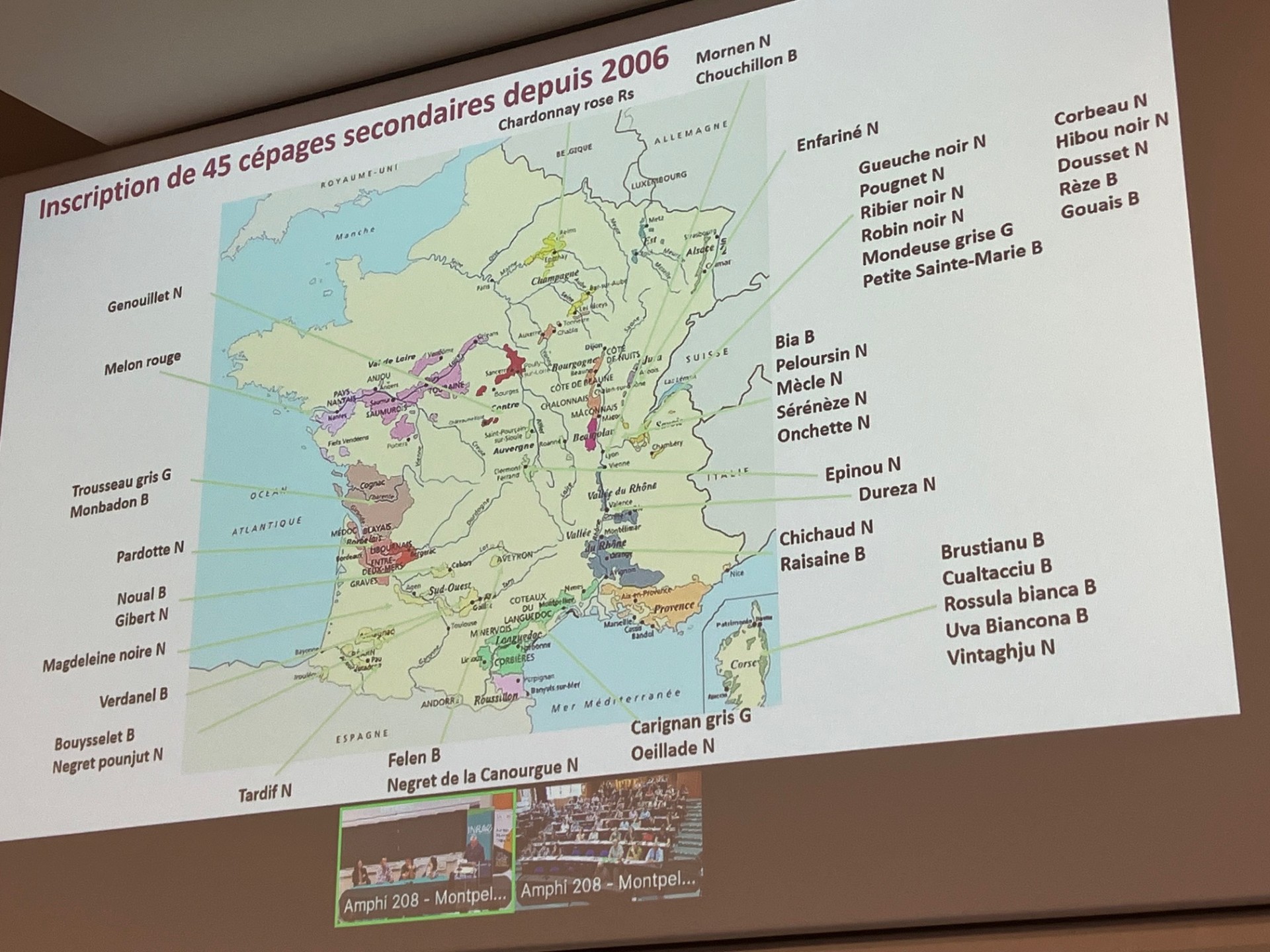
Testimonials from several regional partners have highlighted the importance of this networking. The work carried out across the regions to identify, preserve, characterise and promote grape varieties – some of which are rare or forgotten – helps to enrich our collective knowledge while ensuring the long-term safeguarding of the vine’s genetic heritage. This dynamic also makes it possible to identify new opportunities to address the challenges facing contemporary viticulture, whether these relate to adapting to climate change, diversifying production or varietal innovation.
Finally, this anniversary celebration provided an opportunity to highlight that the richness of the Vassal collection lies as much in the resources it preserves as in the community of people who have kept it alive for 150 years. Researchers, teachers, technicians, curators, wine and viticulture professionals, and local partners all contribute collectively to making this collection a unique resource for the advancement of knowledge, the preservation of biodiversity and the future of viticulture.